
Patient Education Center
Trusted resources on facial plastic surgery, head and neck conditions, reconstruction, recovery, and consultation preparation — designed to help you make informed decisions about your care.
Education Library
Browse procedures, conditions, and recovery guides. All content is educational and requires consultation for personalized recommendations.
Deep Plane Facelift
Addresses deeper facial structures to improve jowling and age-related changes.
Learn MoreNeck Lift
Improves loose neck skin, muscle banding, and jawline definition.
Learn MoreRhinoplasty
Cosmetic and functional nasal surgery for shape, breathing, and balance.
Learn MoreBlepharoplasty
Eyelid surgery for upper eyelid heaviness and lower eyelid fullness.
Learn MoreChin & Jawline Enhancement
Chin projection, jawline definition, and facial proportions.
Learn MoreMohs Defect Reconstruction
Restores form and function after skin cancer removal.
Learn MoreFacial Trauma Reconstruction
Reconstructive care for facial injuries involving bone and soft tissue.
Learn MoreFacial Reconstruction
Restores appearance and function after cancer, trauma, or prior surgery.
Learn MoreHead & Neck Cancer Surgery
Surgical care for tumors of the mouth, throat, voice box, and neck.
Learn MoreThyroid Surgery
Evaluation and surgical treatment of thyroid conditions.
Learn MoreParathyroid Surgery
Treatment of hyperparathyroidism and calcium regulation disorders.
Learn MoreSalivary Gland Surgery
Evaluation and treatment of salivary gland conditions.
Learn MoreRegenerative Medicine
Evidence-based information about regenerative treatments and research.
Learn MoreThese resources are for education only. A consultation is required to determine which options may be appropriate for your individual needs.
Understanding Facial Anatomy
Explore the layers and structures involved in facial surgery. Each numbered marker on the diagram corresponds to the glossary below.
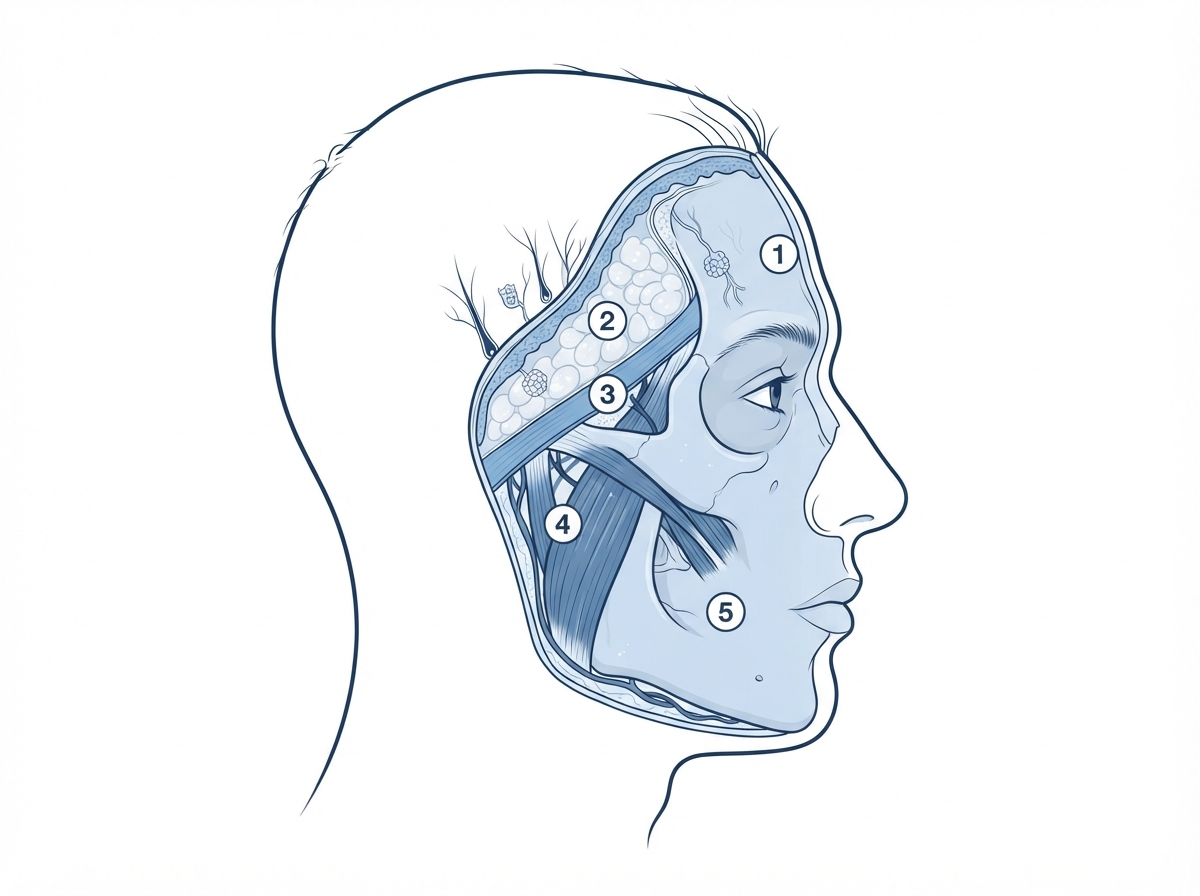
Skin Layer
The outermost layer. In facial surgery, incisions are placed in natural skin creases to minimize visible scarring.
Subcutaneous Fat
Fat pads that give the face volume and youthfulness. Redistribution with age contributes to facial aging.
SMAS Layer
The Superficial Musculoaponeurotic System — a key layer tightened in deep plane facelift surgery for long-lasting results.
Facial Muscles
Muscles of facial expression. Surgical planning preserves these to maintain natural movement.
Facial Bone
The skeletal framework. In trauma reconstruction, fractures are repaired to restore facial symmetry and function.
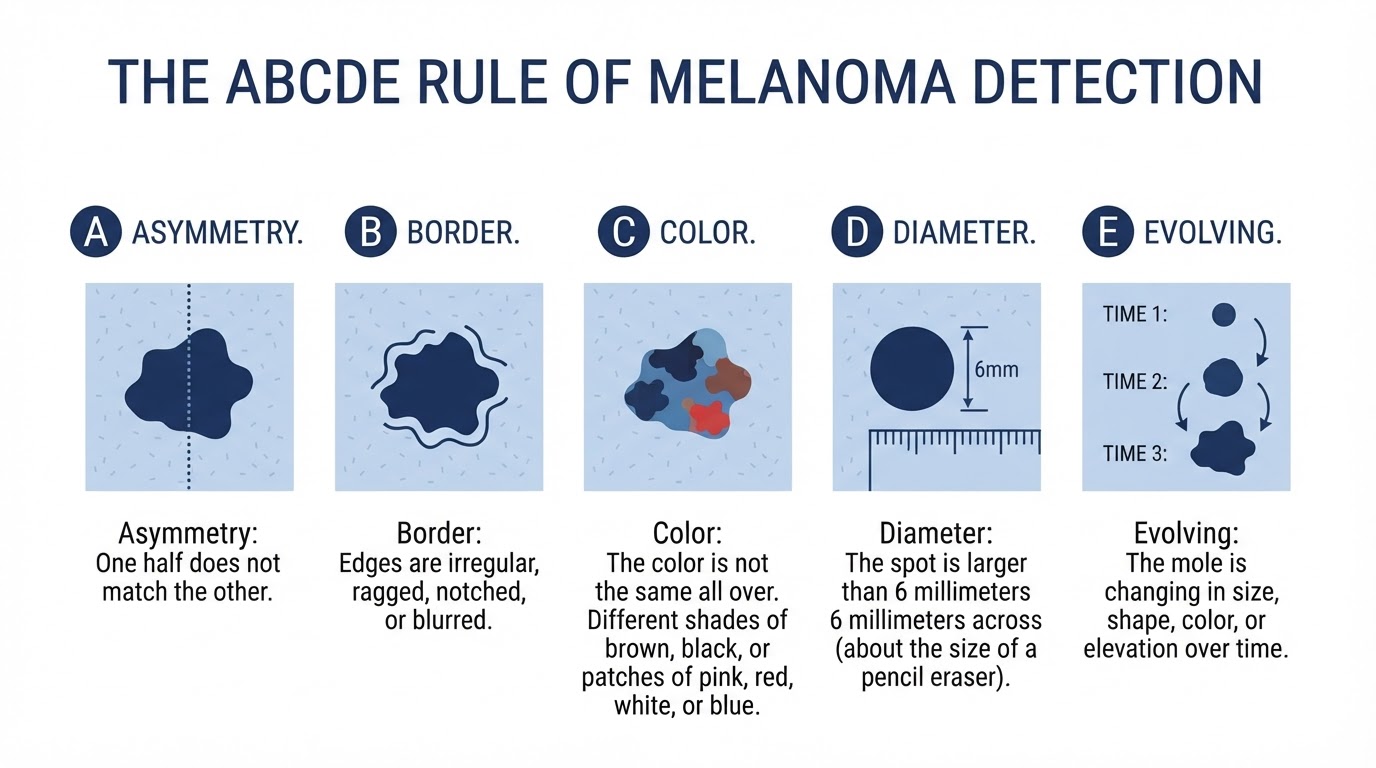
ABCDE Skin Cancer Self-Check
Learn the warning signs of melanoma. Tap each letter to understand what to look for during self-examination.
Tap a letter above to learn what it means. This tool is for education only — always consult a physician for evaluation.
What to Expect During Recovery
A general timeline of facial surgery recovery. Individual experiences vary by procedure, health, and healing factors.
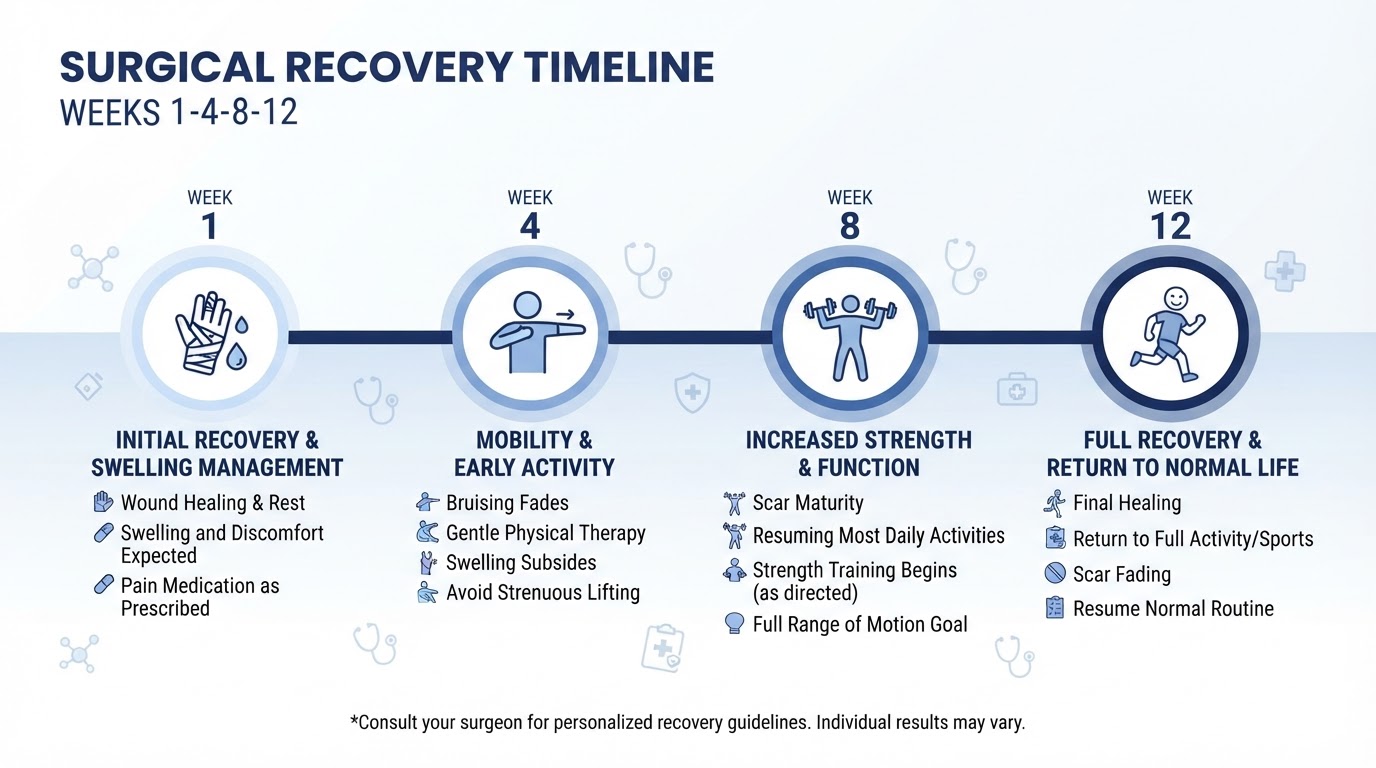
Initial Healing
Swelling and bruising are most noticeable. Rest with head elevated. Follow wound care instructions.
Early Recovery
Swelling decreases. Sutures removed. Light activities may resume with approval.
Progressive Improvement
Most visible bruising resolves. Scars begin to soften. Normal activities typically resume.
Long-Term Healing
Scars continue maturing for up to 12-18 months. Final results become apparent.
Important: These timelines are general guidelines only. Your individual recovery depends on the specific procedure, your health, and your body's healing response. Always follow Dr. Nasser's personalized post-operative instructions.
Your Patient Journey
Most patients move through a thoughtful process of education, consultation, planning, care, and follow-up.
Start With Education
Explore trusted resources on procedures, conditions, and recovery.
Explore Patient EducationSchedule a Consultation
Dr. Nasser reviews your concerns, history, and examines the area.
Schedule a ConsultationPrepare for Your Visit
Bring medical records, imaging, medication lists, and questions.
View Patient FormsIndividualized Evaluation
Your care plan is based on anatomy, diagnosis, goals, and exam.
What to ExpectReview Treatment Options
Options may include observation, testing, medication, or surgery.
Explore ProceduresPlan for Recovery
Review preparation, recovery expectations, and safety instructions.
Visit Recovery CenterLong-Term Follow-Up
Monitor healing, answer questions, and support continuity of care.
Contact the OfficeEvaluate Your Sleep & Breathing
Use this quick tool to see if you might benefit from a consultation.
Estimated Quality Sleep Lost
Potential Improvement
With proper airway treatment, you could regain up to 4 extra hours of restorative sleep per night.
Schedule a Sleep EvaluationFrequently Asked Questions
Common questions from our patients.
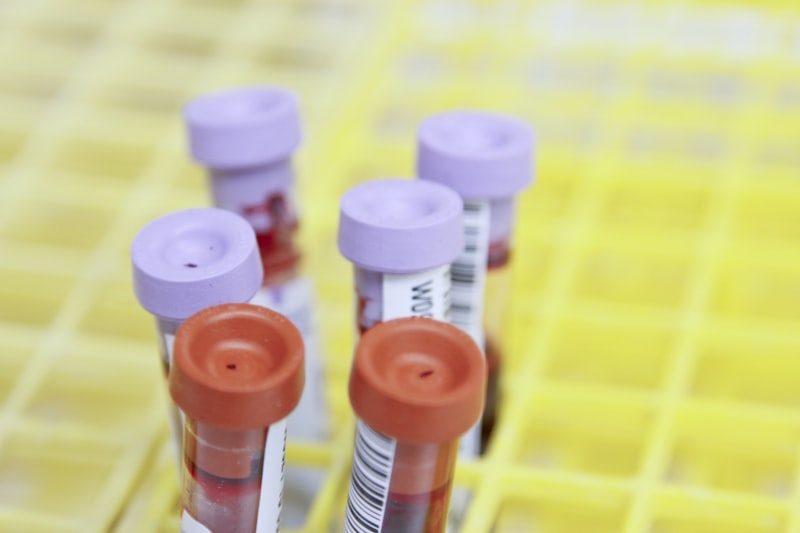
Everything You Need to Know About Thyroid Nodules: Symptoms, Diagnosis, and Treatment
Discover comprehensive, evidence-based information about thyroid nodules, including common symptoms, how they are evaluated with ultrasound and biopsy, and when treatment or surgery is recommended.

How to Choose the Right Facial Plastic Surgeon: 15 Questions Every Patient Should Ask
Choosing a facial plastic surgeon is a significant decision. Learn the 15 essential questions every patient should ask during their consultation to ensure safety, expertise, and natural results.
Why Patients Choose Dr. Hassan Nasser for Facial Plastic Surgery in Detroit
Learn about Dr. Hassan Nasser's specialized training and patient-centered approach to facial plastic and reconstructive surgery in Metro Detroit.
Have Questions? Let's Talk.
Dr. Nasser and his team are ready to answer your questions and guide you toward the best treatment plan for your needs.
Book a Consultation